
It works quietly, in three steps
A few sensors learn the shape of an ordinary day
A handful of sensors go in the rooms that matter most: kitchen, living room, bedroom, front door, and bathroom. No cameras, no wearables, nothing to charge or remember.
Where the sensors go.
A handful of small sensors, a smart plug, and a hub in the places where daily routine happens.
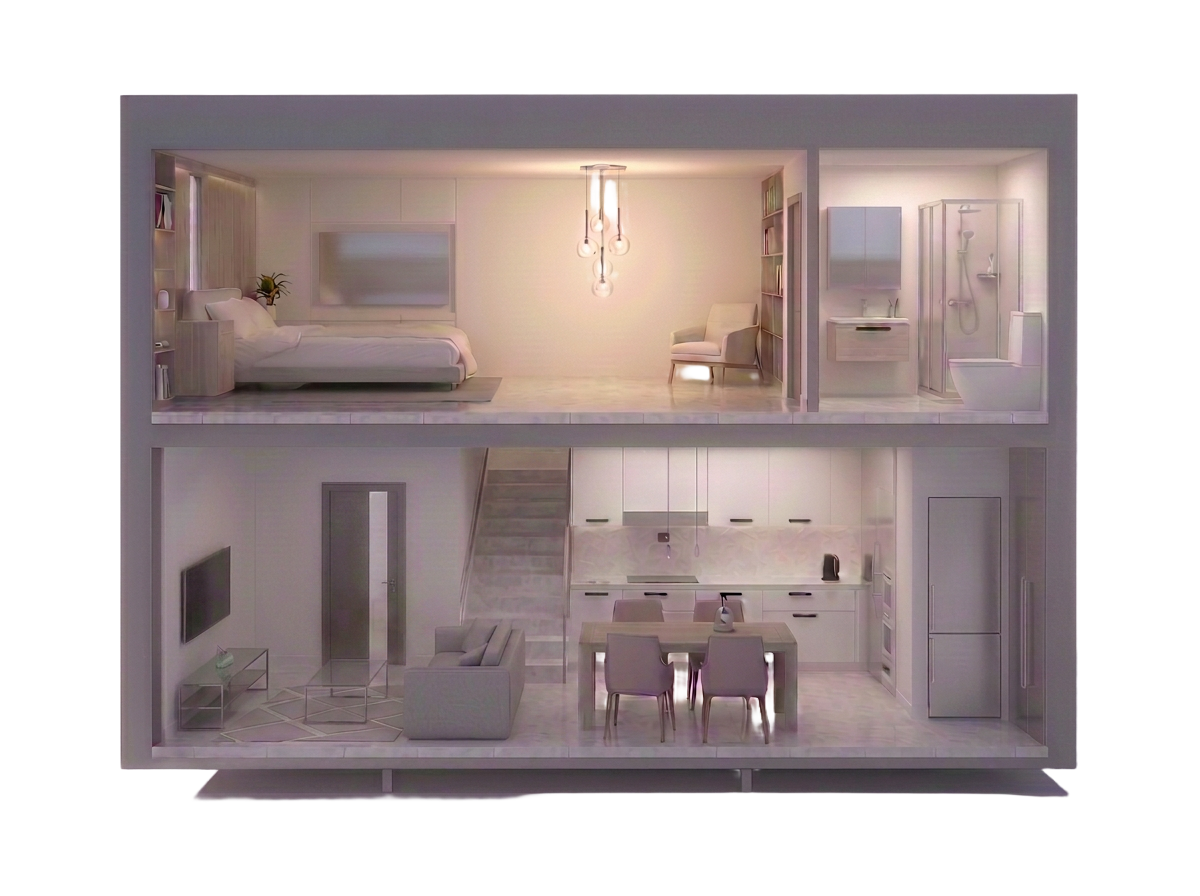
- Motion sensorBedside table
- Motion sensorToilet
- Fall sensor(optional)Staircase
- HubNear the router
- Door sensorFront door
- Motion sensorKitchen bench
- Smart plugKettle
- Door sensorFridge door(optional)
- 1
Learns your parent's normal
For the first few weeks it mostly listens. When the kettle usually goes on. How often the bathroom gets used. What a normal Tuesday looks like versus a normal Sunday. Normal is different in every house, so there's no standard to be measured against.
- 2
Notices what's different
Most days, nothing happens, because most days, nothing's wrong. That's the point. It isn't looking for a single missed event; it's watching for patterns that break from what's typical. A slow morning isn't news. No kitchen activity by eleven, when it's normally nine, might be.
- 3
Tells you what it could mean
When something meaningful changes, rembient communicates in plain language. No data to interpret. It's built for you, the family member. Your parent doesn't need to open an app. The sensors run in the background of their home; the awareness shows up in yours.
Today, this week, this month.
The same plain language for every time horizon, so a slow change is as easy to spot as a quiet morning.
She was moving between rooms around her usual time, and there was kitchen activity soon after.
On Wednesday and Friday she moved between rooms less than her usual.
Three a day, against six in an ordinary month.
Caring rarely falls to one person alone.
Everyone looking after a parent sees the same signals, so nothing is hidden between carers. When something needs a response, one person says they've got it, so nobody drives over twice, and nobody assumes someone else went.
Every carer in the Carer Group gets the same alert, in the order you choose.
Following up keeps it open with Jo's name on it, so nobody drives over twice.
All good closes it for everyone, so nobody assumes someone else went.
An AI wellness call for when you can't make one.
Choose the call that suits her
Daily check-in
A quick hello at the same time each day, with any reminder you've written, like medication or exercise.
Weekly companion call
A longer chat once a week, for company on a quieter day.
- You pick the time, so it fits around your working day or your time zone
- In her preferred language, with over 40 languages to choose from
- A short summary in the app afterwards, next to the day's readings
The wellness call is an AI voice, not a person.
Interested in joining the pilot?
We're looking for households to help validate the product. Registering your interest simply tells us you're open to a conversation, nothing more.